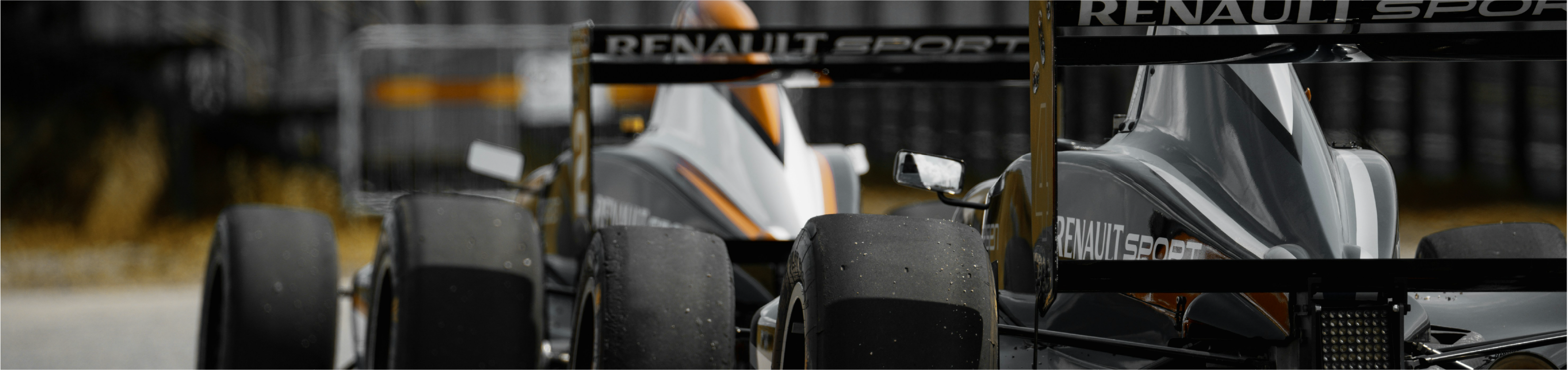

Fuelling Formula 1
Formula 1 is an enduringly popular sport. The cars are faster and more powerful than ever thanks to cutting-edge science and engineering from aerodynamic wings to the powerful six-cylinder engine. However, there is one factor that is often overlooked, which is just as important as aerodynamics and weight: fuel.
The fuel used in F1 vehicles is a mixture of hydrocarbons (CnH2n+2), not too dissimilar to the petrol propelling domestic cars. Energy is released to power the engine through combustion of the fuel, producing hot gases. For example, octane (C8H18) burns in oxygen to produce carbon dioxide and water:
2C8H18 (l) + 25O2 (g) → 16CO2 (g) + 18H2O (g)
Faster fuel
However, the fuel used on racing cars was not always so similar to everyday petrol. Early Grand Prix cars ran on mixtures containing benzene, alcohols and even aviation fuel. The disadvantage of these mixtures was that they were potentially damaging to the engine, which often required disassembly after a race in order to clean out the fuel to prevent it from corroding the metal.
Today, the fuel used is specially designed by chemists, who are charged with developing and fine-tuning it. The aim is to create a fuel that can produce a great deal of power, rapid acceleration and high speed. At the same time, it must keep the engine clean and abide by the strict regulations of the sport.
Chemists play a key role in keeping the F1 cars running and ensuring that the teams abide by the rules. Prior to using a new formulation of fuel in competition, an F1 team must submit a sample of the fuel for approval by the FIA (Fédération Internationale de l’Automobile, the governing body for motor sport), which analyses the fuel by gas chromatography (GC). To check that teams are using the approved fuels on race day, the FIA takes random samples for trackside GC analysis from the competing cars, as well as from the three podium finishers. The teams also have mobile labs at each race, to check that their fuel has not become contaminated.
In addition to GC, teams employ rotating disc electrode optical emission spectroscopy (RDE-OES), which detects any metal fragments that have entered the fuel and oil, which would indicate a problem with the engine. Teams also use infrared spectroscopy to test oils, which can help with fault-finding.